From March 2027, all new homes in England must comply with the Future Homes Standard — the most significant update to Building Regulations in over a decade. The standard requires substantially enhanced energy efficiency, low-carbon heating systems, and on-site renewable energy generation.
Below is a summary of the key changes that developers, architects, and building professionals need to prepare for.
Net Zero Ready Homes by 2027
The Future Homes Standard mandates that all new-build homes produce 75-80% fewer carbon emissions than those built to current Part L 2021 standards. This is a transformational shift, requiring developers to rethink their approach to energy performance from the very earliest design stages.
Homes will need to be “net zero ready,” meaning they should not require further retrofit work to meet full net zero targets as the electricity grid decarbonises.
The End of Gas Boilers in New Homes
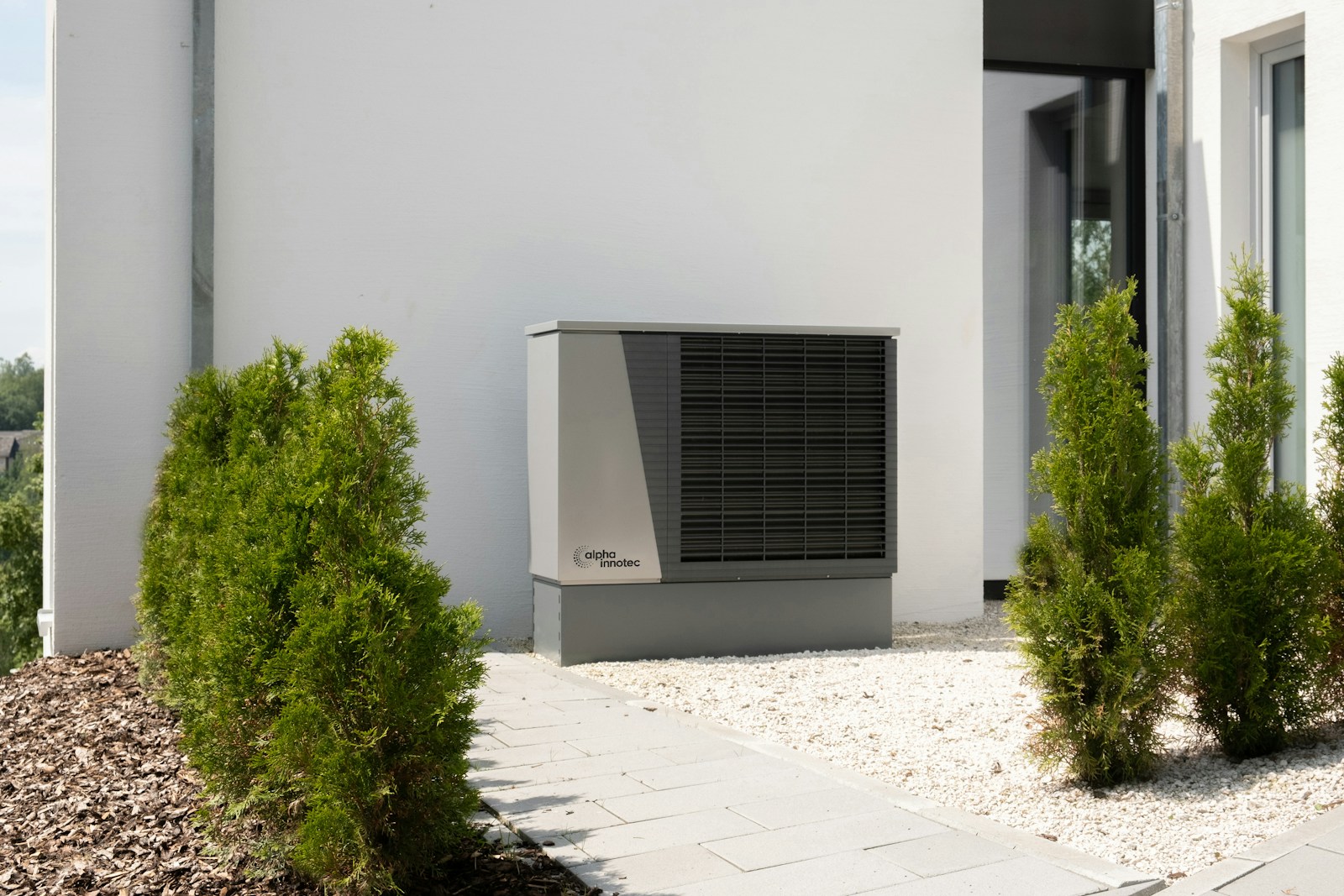
Gas boilers will no longer be permitted in newly built homes. Developers will be required to install heat pumps or alternative low-carbon heating technologies as standard.
Air source heat pumps are expected to become the dominant solution, though ground source heat pumps and heat networks will also be accepted. This change aligns with the government’s wider strategy to phase out fossil fuel heating across the UK housing stock.
Mandatory Solar PV on Every New Home
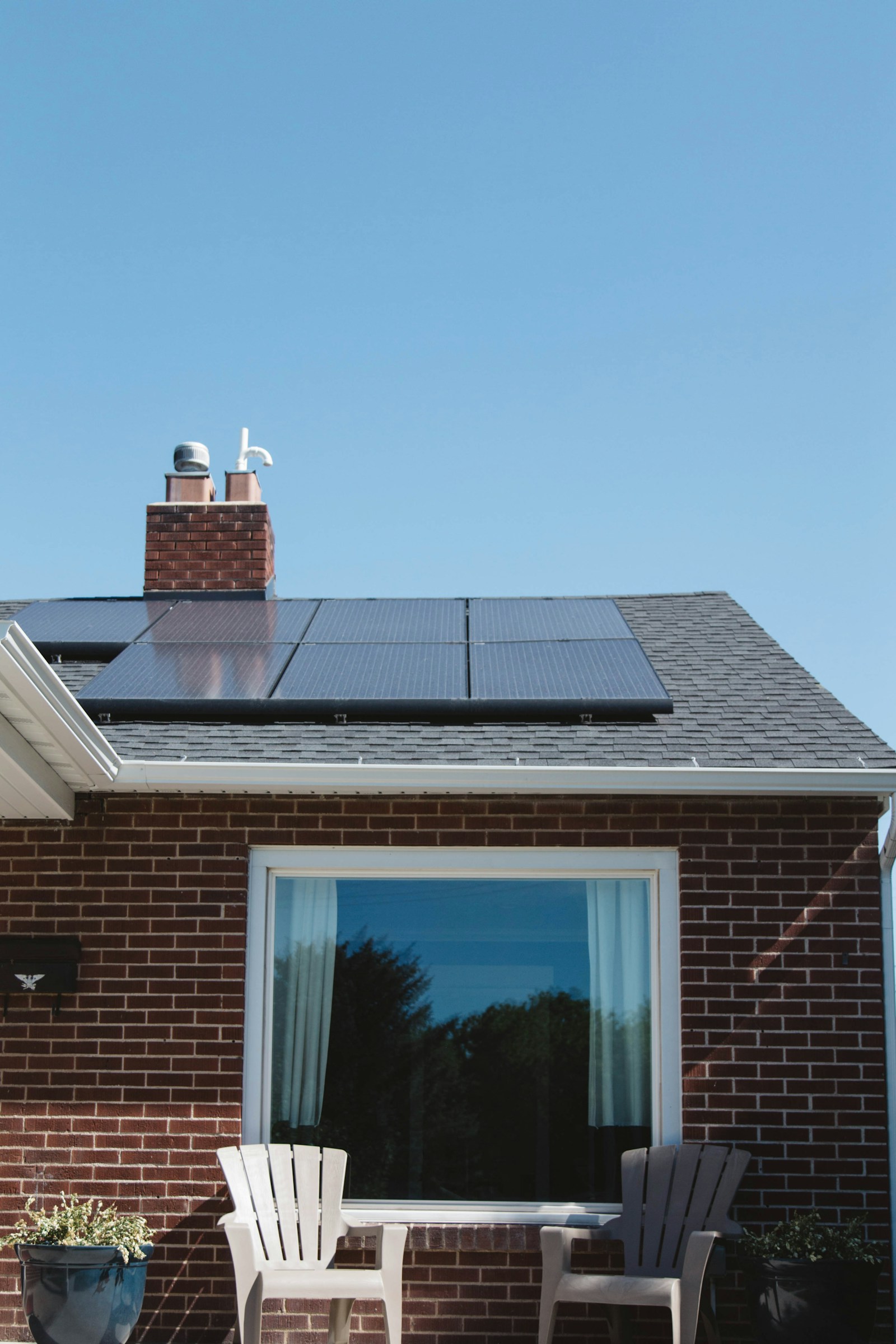
All new homes will be required to incorporate solar photovoltaic (PV) panels. The minimum installation is expected to be around 4kWp for a typical detached house, with smaller systems for flats and terraced properties.
Solar PV will work in combination with heat pumps and improved fabric efficiency to meet the overall carbon reduction targets. Developers should factor roof orientation and shading analysis into their site planning from the outset.
Enhanced Ventilation and Air Tightness
With dramatically improved insulation and air tightness standards, mechanical ventilation with heat recovery (MVHR) will become essential in most new homes. The standard requires much tighter building envelopes — typically achieving air permeability rates below 5 m³/h/m² at 50 Pa.
This means careful attention to construction detailing and quality assurance on site will be critical. Approved Document F (Ventilation) is being updated alongside Part L to reflect these requirements.
New Compliance Tools: SAP 11
A new version of the Standard Assessment Procedure (SAP 11) will be introduced alongside the Future Homes Standard. SAP 11 updates the carbon emission factors, fuel prices, and calculation methodologies to reflect the decarbonising electricity grid.
This means that electric heating systems will perform significantly better in compliance calculations than under the current SAP 10 methodology. All energy assessments for new dwellings from March 2027 must use SAP 11.
Implementation Timeline

The Future Homes Standard takes effect for all Building Regulations applications submitted from March 2027. However, transitional arrangements will apply for developments with existing planning permission and building control applications submitted before the deadline.
Developers with projects already in the pipeline should review their designs against the new requirements and consider early adoption where feasible.
At Abbey Consultants, we are already helping clients prepare for these changes. Whether you need a full compliance review, energy modelling for a new scheme, or advice on the transitional arrangements, our team of building regulations specialists can help.
Download the Full Guide
Get our comprehensive PDF covering every aspect of the Future Homes Standard 2027, including detailed technical requirements and practical compliance guidance.